
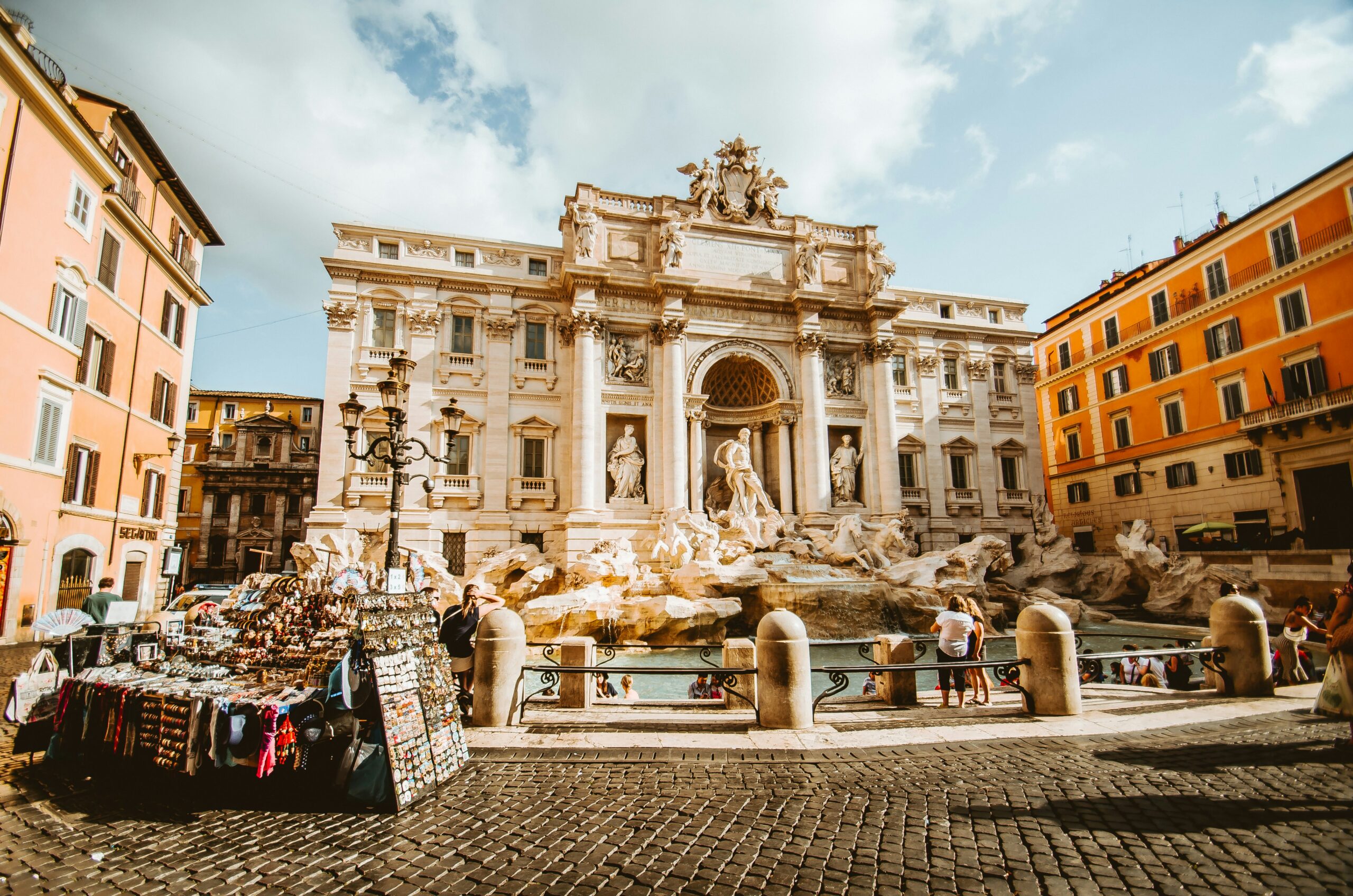
Turn your city into a textbook. This course explores how to use local and European cultural heritage—from monuments to traditions—as a powerful, cross-curricular teaching tool, fostering a deeper connection to history and European identity.
Description
Move learning beyond the four walls of the classroom and into the rich “open-air laboratory” of our shared European heritage. This course provides teachers with the methodology of place-based education, demonstrating how to use local squares, monuments, museums, and intangible traditions as starting points for inquiry-based learning. We will explore practical ways to connect heritage to subjects like history, art, languages, and even science. You will learn how to design engaging educational trails, use digital storytelling tools (like AR and QR codes) to bring sites to life, and develop projects that encourage students to become active interpreters and guardians of their local culture within a broader European context.
Learning Objectives
- Identify and analyze the educational potential of local cultural heritage sites and traditions.
- Apply principles of place-based and inquiry-based learning to design outdoor educational activities.
- Integrate digital tools (e.g., mobile apps, digital storytelling, AR) to create interactive heritage experiences.
- Develop cross-curricular projects that connect cultural heritage with multiple school subjects.
- Foster students’ sense of local identity and European citizenship through shared heritage.
- Use online archives, such as Europeana, to enrich lessons and connect local to European heritage.
- Create and lead an educational heritage trail for students.
Methodology & Assessment
This course combines indoor workshops with daily outdoor field sessions at significant cultural heritage sites. The methodology is highly experiential, involving on-site observation, practical task-based learning, and collaborative group work. Participants will actively design and test educational activities in a real-world context. The course fosters intercultural exchange by comparing and sharing the heritage of participants’ home countries. Assessment is practical and project-based. The final task is the collaborative design and presentation of a detailed plan for an “open-air laboratory” activity based on a local heritage site.
Materials, Digital Tools & Other Learning Resources
Materials include city maps, museum guides, and access to local historical archives. We will use a variety of free mobile apps for digital storytelling, QR code generation, and augmented reality. Participants will be introduced to major online cultural heritage platforms like Europeana and Google Arts & Culture for finding high-quality digital resources.
Certification Details
Certificate of attendance.
Upcoming sessions
| Dates | Location | |
|---|---|---|
| 26–30 October 2026 | Rome, Italy | Enroll |
| 9–13 November 2026 | Rome, Italy | Enroll |
| 23–27 November 2026 | Rome, Italy | Enroll |
| 7–11 December 2026 | Rome, Italy | Enroll |
| 14–18 December 2026 | Rome, Italy | Enroll |
| 11–15 January 2027 | Rome, Italy | Enroll |
| 25–29 January 2027 | Rome, Italy | Enroll |
| 8–12 February 2027 | Rome, Italy | Enroll |
| 22–26 February 2027 | Rome, Italy | Enroll |
| 8–12 March 2027 | Rome, Italy | Enroll |
| 22–26 March 2027 | Rome, Italy | Enroll |
| 12–16 April 2027 | Rome, Italy | Enroll |
| 26–30 April 2027 | Rome, Italy | Enroll |
| 10–14 May 2027 | Rome, Italy | Enroll |
| 24–28 May 2027 | Rome, Italy | Enroll |
| 14–18 June 2027 | Rome, Italy | Enroll |
| 28 June – 2 July 2027 | Rome, Italy | Enroll |
| 12–16 July 2027 | Rome, Italy | Enroll |
| 26–30 July 2027 | Rome, Italy | Enroll |
| 2–6 August 2027 | Rome, Italy | Enroll |
| 13–17 September 2027 | Rome, Italy | Enroll |
| 27 September – 1 October 2027 | Rome, Italy | Enroll |
| 11–15 October 2027 | Rome, Italy | Enroll |
| 25–29 October 2027 | Rome, Italy | Enroll |
| 8–12 November 2027 | Rome, Italy | Enroll |
| 22–26 November 2027 | Rome, Italy | Enroll |
| 13–17 December 2027 | Rome, Italy | Enroll |
Pricing, Packages and Other Information
Price: EUR 400-800
Course package content:
- Accommodation assistance: help finding suitable options near the training venue
- Cultural Tours: curated tours and excursions to historical sites, museums, and hidden gems
- Transportation: convenient and reliable transportation arrangements
Cancellation & Changes
Changes: happy to accommodate changes to your registration, such as transferring to a different course date or modifying your accommodation choices, whenever possible. Please contact as soon as possible with your request.
Additional Information
- Language: English
- Target audience ISCED: Primary education (ISCED 1), Lower secondary education (ISCED 2), Upper secondary education (ISCED 3)
- Target audience type: Student Teacher, Head Teacher / Principal, Teacher Educator
- Learning time: 25 hours or more


